Top Challenges Nurses Face in Senior Hospital Care
Navigating complex medical, emotional, and logistical obstacles in geriatric hospital settings requires specialized skills and resilience.
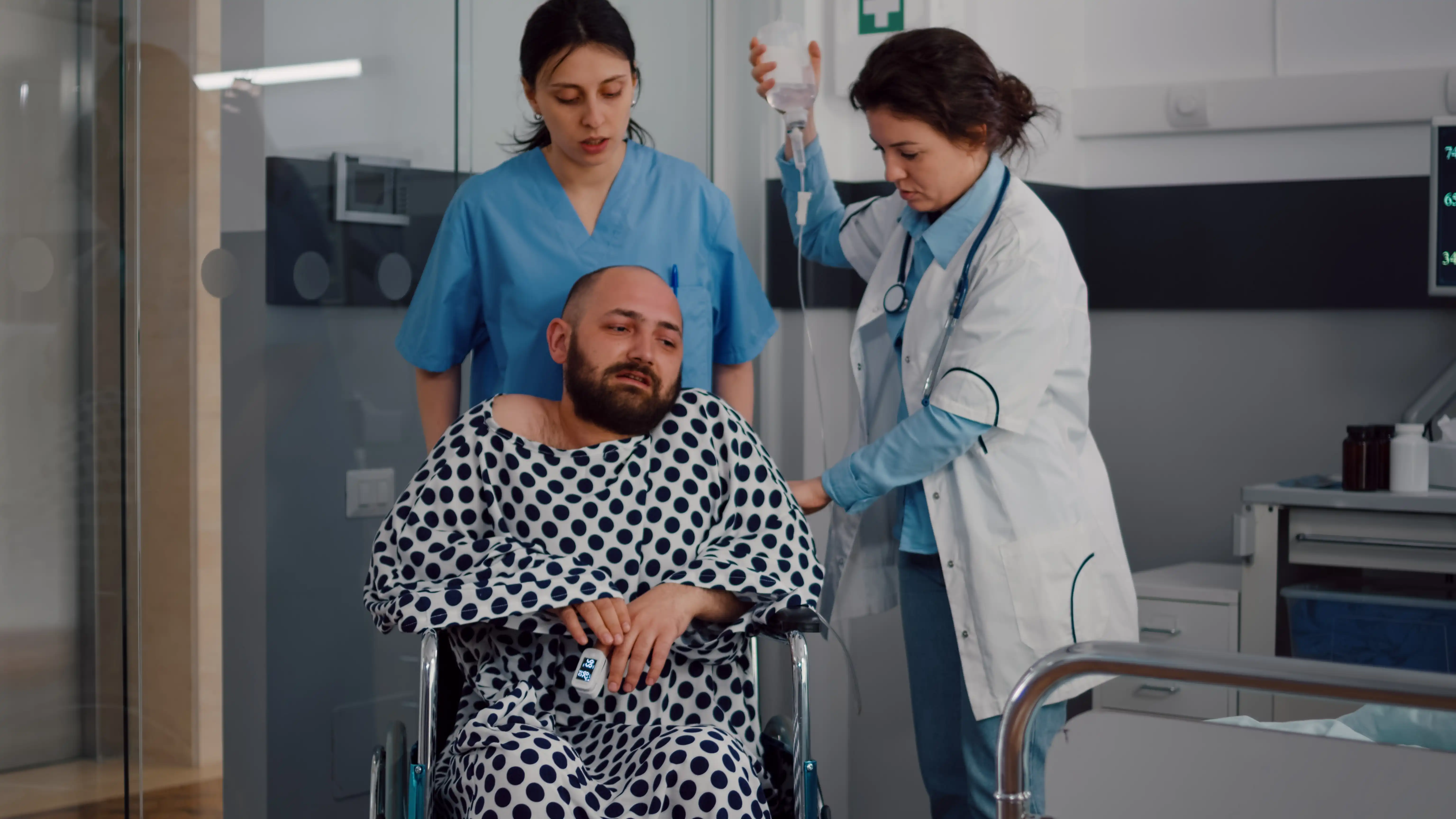
Hospital-based geriatric nursing presents unique challenges that require specialized knowledge, exceptional patience, and advanced clinical skills. As the elderly population grows, nurses in hospital settings must navigate complex medical conditions, emotional needs, and systemic barriers while providing compassionate care.
This comprehensive guide explores the most significant challenges faced by nurses in senior hospital care, offering insights into effective strategies for overcoming these obstacles and delivering high-quality patient-centered care.
Complex Multimorbidity Management
Senior patients typically present with multiple chronic conditions simultaneously—a challenge known as multimorbidity. Nurses must coordinate care for conditions like diabetes, hypertension, heart failure, arthritis, and cognitive impairments all at once. Each condition interacts with others, complicating treatment plans and medication management.
Managing conflicting treatment protocols, monitoring for drug interactions across multiple medications, and prioritizing interventions require exceptional clinical judgment. Nurses must balance competing medical needs while considering the patient's overall quality of life and treatment preferences.
Research shows 60-70% of seniors have 2+ chronic conditions, with 20% having 5+ simultaneous conditions requiring coordinated care.
Delirium Recognition and Management
Hospital-induced delirium affects 20-30% of elderly inpatients, presenting as sudden confusion, attention deficits, and altered consciousness. Unlike dementia, delirium develops rapidly and fluctuates throughout the day. Nurses face the challenge of distinguishing delirium from underlying dementia or depression.
Prevention strategies include maintaining familiar routines, ensuring adequate hydration and nutrition, managing pain effectively, and minimizing sleep disruptions. Once delirium occurs, nurses must implement non-pharmacological interventions while managing safety risks and communicating effectively with disoriented patients.

Polypharmacy and Medication Safety
Senior patients often arrive with complex medication regimens that require careful management. Challenges include:
- Managing 5+ daily medications with potential interactions
- Adjusting dosages for age-related changes in metabolism
- Identifying adverse drug reactions that present atypically
- Ensuring medication adherence despite cognitive or physical limitations
- Coordinating between hospital and home medications
- Managing over-the-counter supplements and alternative therapies
- Preventing medication errors during transitions of care
40% of hospital admissions in seniors involve medication-related problems, with polypharmacy being a leading contributing factor.
Functional Decline and Mobility Issues
Hospitalization often accelerates functional decline in elderly patients. Within just a few days of bed rest, seniors can lose significant muscle mass and mobility. Nurses face the dual challenge of preventing this decline while managing acute medical conditions that may initially require bed rest.
Implementing early mobilization programs, using appropriate assistive devices, and preventing complications like pressure injuries require significant time and physical effort. Balancing medical stability with mobility promotion tests nurses' clinical judgment and physical stamina daily.

Fall Prevention in Hospital Settings
Falls represent the most common adverse event in hospitalized elders, with rates 3-5 times higher than community-dwelling seniors. Unfamiliar environments, medical equipment, medication effects, and acute illness all contribute to increased fall risk. Nurses must implement comprehensive prevention strategies despite busy workloads.
Challenges include balancing safety with patient independence, managing confused patients who remove safety devices, and maintaining fall prevention protocols during staff shortages or high-acuity situations.
Nutrition and Hydration Management
Malnutrition and dehydration frequently complicate hospital stays for seniors. Nurses must overcome challenges like poor appetite, swallowing difficulties, dental problems, and cognitive issues that affect eating. Monitoring nutritional intake, managing specialized diets, and preventing aspiration require constant vigilance.
Time constraints often limit nurses' ability to assist with feeding, while staffing shortages may delay meal assistance. Creative solutions like protected meal times and family involvement become essential components of care.
Communication Barriers
Effective communication with hospitalized seniors involves navigating multiple obstacles:
- Hearing and vision impairments affecting information reception
- Cognitive issues impacting understanding and memory
- Language barriers and health literacy limitations
- Cultural differences in health beliefs and decision-making
- Acute illness affecting attention and processing ability
- Environmental noise and interruptions in busy wards
- Time constraints limiting thorough explanations
Nurses must develop adaptive communication strategies that ensure patient understanding despite these significant barriers.
End-of-Life Care in Acute Settings
Providing compassionate end-of-life care in busy hospital environments presents emotional and logistical challenges. Nurses must balance curative treatments with palliative approaches, manage complex symptoms, support grieving families, and navigate difficult conversations about prognosis and goals of care—all while maintaining their own emotional resilience.
Systemic and Environmental Challenges
Beyond direct patient care, nurses face systemic obstacles in senior hospital care:
- Inadequate staffing ratios affecting care quality and nurse burnout
- Time pressures limiting thorough assessments and interventions
- Limited access to specialized geriatric resources and equipment
- Institutional policies not optimized for elderly care needs
- Poor physical environments (noise, lighting, layout) affecting recovery
- Insurance and financial constraints limiting optimal care options
- Documentation burdens reducing direct patient care time
These systemic factors significantly impact nurses' ability to provide optimal geriatric care despite their clinical skills and dedication.
CNHA's Approach to Preparing Nurses
At Colombo North Health Academy, our specialized training addresses these challenges through comprehensive education in geriatric nursing. We equip students with advanced assessment skills, communication techniques, and clinical strategies specifically designed for hospital-based senior care. Our curriculum emphasizes practical solutions, resilience building, and interdisciplinary collaboration to prepare nurses for real-world challenges.
Building Resilience in Geriatric Nursing
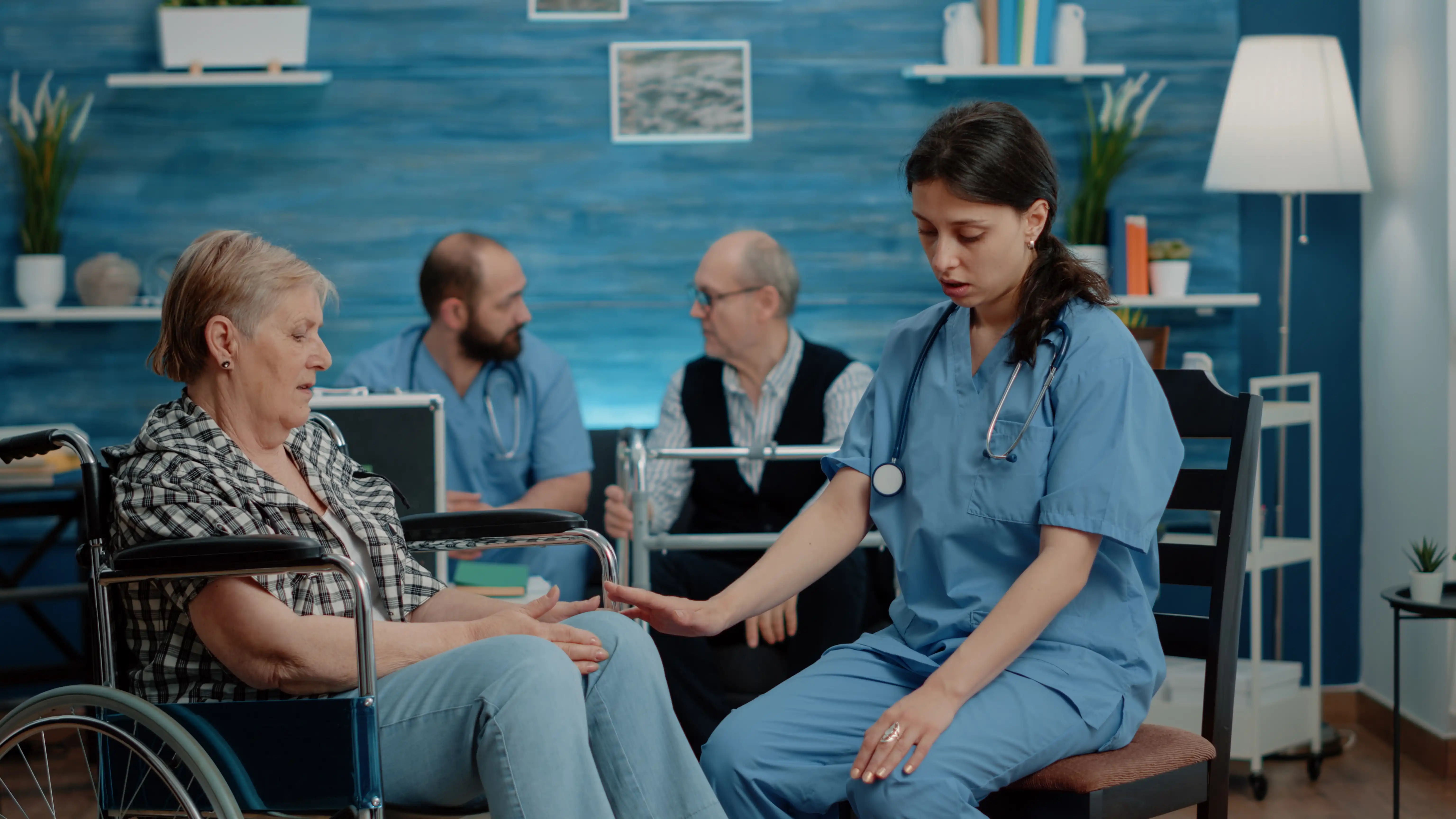
Despite these significant challenges, geriatric hospital nursing offers profound opportunities to make meaningful differences in patients' lives. Success requires specialized knowledge, exceptional clinical skills, emotional intelligence, and professional resilience. By understanding these challenges and developing targeted strategies, nurses can provide exceptional care that respects the dignity and complexity of every elderly patient.