Effective Communication Tips for Nurses in Senior Care
Mastering therapeutic communication strategies to enhance patient relationships and improve healthcare outcomes for elderly patients.

Effective communication lies at the heart of quality nursing care, especially when working with elderly patients. As seniors navigate age-related sensory changes, cognitive challenges, and emotional needs, nurses must adapt their communication strategies to ensure understanding, build trust, and provide compassionate care.
This comprehensive guide explores proven communication techniques specifically designed for geriatric nursing, offering practical strategies to enhance patient-provider relationships and improve healthcare outcomes in senior care settings.
Understanding Age-Related Communication Barriers
Senior patients often face multiple communication challenges that require nurses to adjust their approach. Common barriers include hearing loss (presbycusis), vision impairment (presbyopia), cognitive changes, and speech difficulties. Recognizing these barriers is the first step toward effective communication.
Nurses must learn to identify subtle signs of communication difficulty, such as frequent requests for repetition, inappropriate responses to questions, or visible frustration during conversations. By understanding these challenges, healthcare providers can implement strategies that bridge communication gaps and ensure patients feel heard and understood.
Key barriers include hearing loss affecting 30% of adults aged 65-74 and 50% of those over 75, plus vision impairments impacting reading ability and facial recognition.
Verbal Communication Strategies
Effective verbal communication with elderly patients requires specific techniques. Speak clearly and at a moderate pace, using simple language without being condescending. Maintain a warm, respectful tone and avoid medical jargon that may confuse patients.
Important strategies include: facing patients directly to aid lip-reading, using lower-pitched voices (higher frequencies are often lost first in age-related hearing loss), and confirming understanding through teach-back methods. Always allow ample time for responses, as cognitive processing may be slower in some seniors.

Non-Verbal Communication Techniques
Non-verbal cues often speak louder than words, especially when caring for patients with cognitive impairments or hearing difficulties. Essential non-verbal strategies include:
- Maintaining appropriate eye contact at the patient's level
- Using gentle, reassuring touch when appropriate
- Facial expressions that convey empathy and understanding
- Body language that shows attentiveness and respect
- Gestures to support verbal explanations
- Proximity that respects personal space while ensuring clear communication
- Patient positioning that facilitates face-to-face interaction
Studies show that 55-93% of communication effectiveness depends on non-verbal cues, making these skills particularly crucial in geriatric care.
Communication with Cognitively Impaired Patients
Patients with dementia, Alzheimer's, or other cognitive impairments require specialized communication approaches. Use validation therapy techniques—acknowledge the patient's reality rather than correcting them. Maintain consistency in communication styles and approach patients from the front to avoid startling them.
Strategies include using short, simple sentences, asking one question at a time, and allowing sufficient processing time. Incorporate visual cues and familiar objects to aid understanding. When patients become agitated, redirect conversations to calming topics and maintain a peaceful environment.
Effective Family Communication
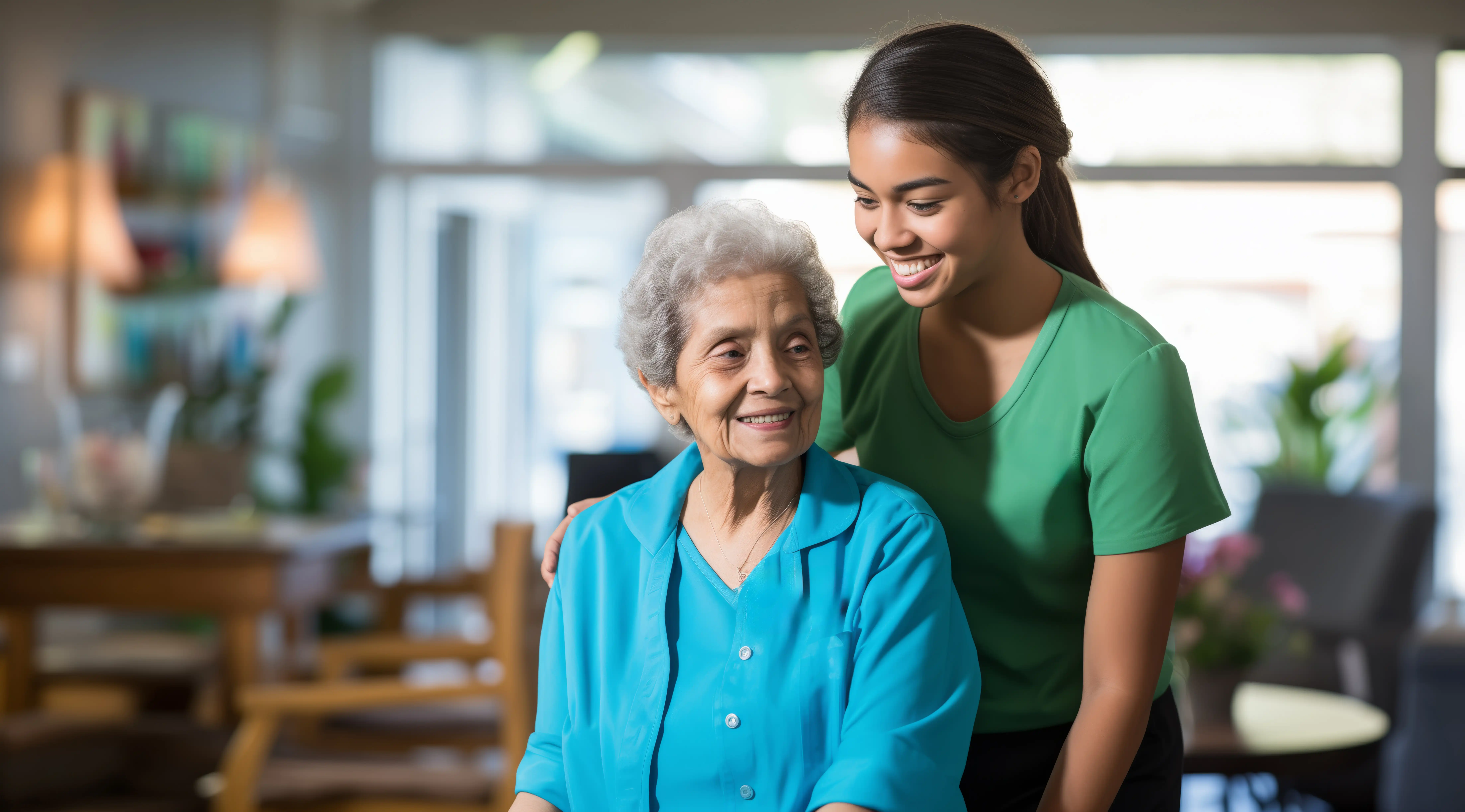
Family members play a crucial role in senior care, and effective communication with them enhances patient outcomes. Establish regular updates, involve families in care planning, and provide clear explanations about medical conditions and treatment plans. Listen actively to family concerns and validate their experiences.
Remember that families may be experiencing stress, grief, or confusion about their loved one's condition. Approach conversations with empathy and provide resources for support when needed.
Active Listening Skills
True communication involves more than speaking—it requires genuine listening. Practice active listening by giving full attention, maintaining eye contact, and using verbal and non-verbal cues that show engagement. Reflect back what you've heard to confirm understanding and ask open-ended questions to encourage sharing.
Avoid interrupting patients, even during pauses that may seem lengthy. Elderly patients often need more time to formulate thoughts, and respectful silence can be as important as spoken words in therapeutic communication.
Practical Tips for Daily Interactions
Incorporate these practical communication strategies into daily nursing practice:
- Begin conversations with a clear introduction of yourself and your role
- Ensure adequate lighting for lip-reading and facial expression visibility
- Minimize background noise that interferes with hearing
- Use written materials with large print for important information
- Check hearing aids and glasses are functioning and being used
- Schedule important discussions during the patient's optimal alert times
- Use familiar words and avoid medical terminology when possible
Consistent application of these techniques builds trust and improves patient cooperation with care plans.
Cultural Sensitivity in Communication
Sri Lanka's diverse population requires cultural sensitivity in healthcare communication. Understand cultural norms regarding eye contact, personal space, and decision-making patterns. Respect preferences for family involvement in healthcare decisions and be aware of language preferences and potential translation needs.
Documentation and Interprofessional Communication
Effective communication extends beyond patient interactions to include thorough documentation and team coordination. Document communication strategies that work for each patient, noting preferences, effective techniques, and any special considerations. Clear handover communication ensures continuity of care between shifts and providers.
- Use standardized communication tools like SBAR (Situation, Background, Assessment, Recommendation)
- Document patient communication preferences in care plans
- Share successful communication strategies with the care team
- Include family communication notes in patient records
- Regularly update communication approaches as patient needs change
Consistent team communication ensures all providers use approaches that have proven effective for each individual patient.
Measuring Communication Effectiveness
Evaluate communication effectiveness through patient feedback, family satisfaction surveys, and observation of patient cooperation with care. Indicators of successful communication include reduced patient anxiety, improved adherence to treatment plans, and positive patient-provider relationships. Regular self-reflection and peer feedback help nurses continuously improve their communication skills.
Developing Your Communication Expertise
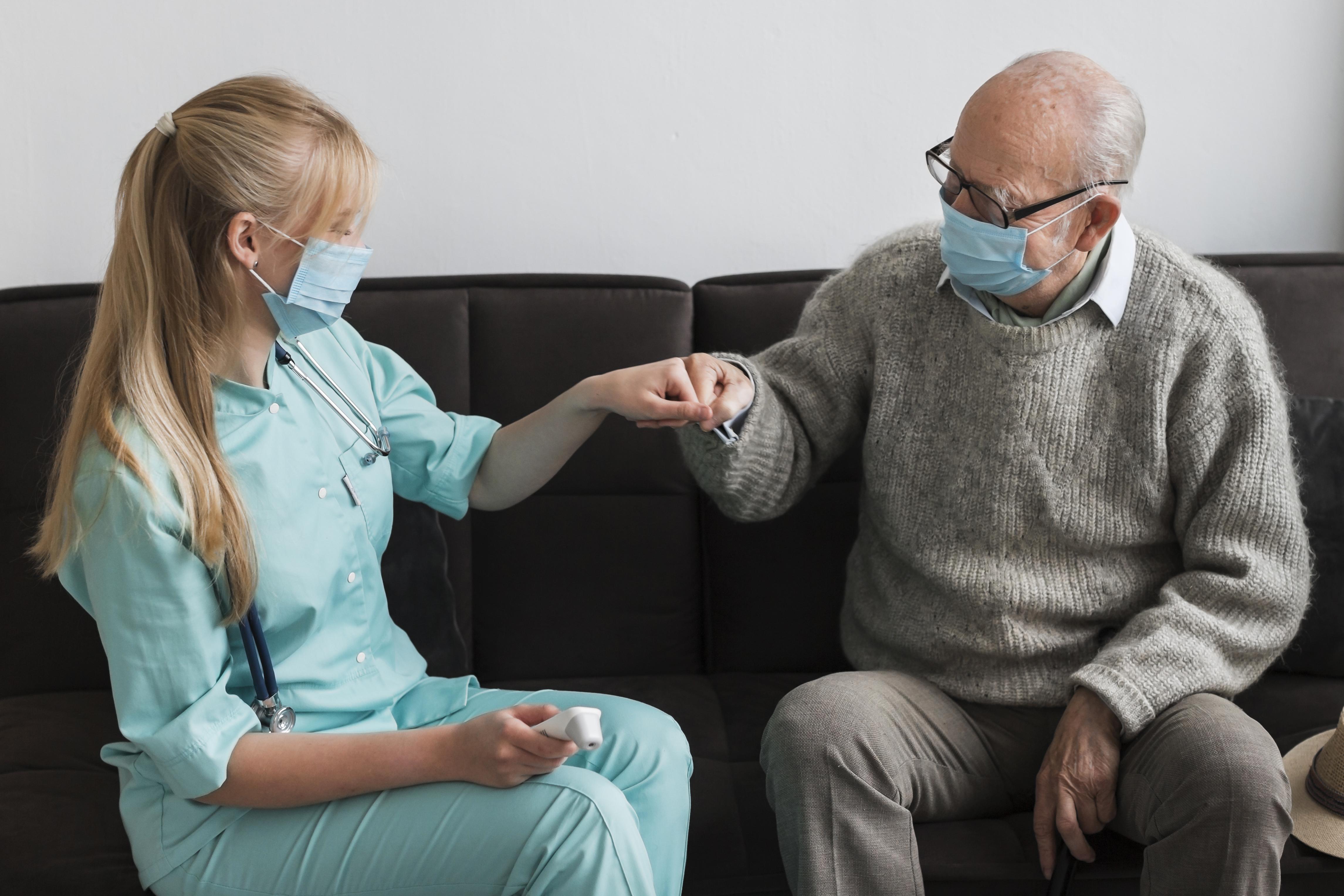
Mastering communication in senior care is an ongoing journey that requires patience, practice, and continuous learning. Effective communication not only improves patient outcomes but also enhances job satisfaction and reduces workplace stress. By developing these essential skills, nurses can provide truly patient-centered care that respects the dignity and individuality of every elderly patient.