Coronavirus disease (COVID-19)
Learn about COVID-19 and long-term health effects affecting millions worldwide. Understand symptoms, recovery, and protective measures.
Although the majority of persons who contract COVID-19 recover completely, current research suggests that 10% to 20% of those who recover experience a variety of mid- and long-term sequelae after their initial sickness. The post COVID-19 condition, sometimes known as “long COVID,” refers to these mid- and long-term effects. This Q&A will help you learn more about the post-COVID-19 situation so you can make educated decisions to protect yourself and others. It’s vital to note that our knowledge of the post-COVID-19 condition, as well as COVID-19 itself, is still developing. Researchers are collaborating with patients who have developed a COVID-19-related disease to learn more about the condition’s etiology, symptoms, and impact. As new information and materials become available, WHO will update the information and materials.
What is the post-COVID-19 condition?
The term “post COVID-19 condition,” also known as “long COVID,” refers to a group of long-lasting symptoms that some people endure after taking COVID-19. People who suffer from post-COVID-19 symptoms are frequently referred to as “long-haulers.”
While the majority of persons who contract COVID-19 recover completely, some experience a variety of mid- and long-term side effects such as fatigue, dyspnea, and cognitive impairment (for example, confusion, forgetfulness, or a lack of mental focus and clarity). As a result of their post-COVID-19 condition, some persons endure psychological repercussions.
These symptoms may persist or arise after they have recovered from their sickness. They can appear and disappear, or they can reappear over time.
A person’s ability to do daily activities such as work or household duties may be affected after exposure to COVID-19.
What is the post-COVID-19 condition defines?
The sickness that arises in persons who have a history of suspected or confirmed SARS-CoV-2 infection, usually within three months of the commencement of COVID-19, with symptoms and consequences lasting at least two months, is known as post COVID-19 condition. Alternative diagnoses are unable to describe the signs and implications of the post-COVID-19 illness.
What are the most prevalent symptoms of post-COVID-19 syndrome (also known as extended COVID)?
The following are the most prevalent symptoms of a COVID-19-related condition:
- Fatigue
- Breathing problems or shortness of breath
- Problems with memory, attention, or sleep
- Cough that does not go away
- Muscle aches and pains in the chest
- Depression or anxiety due to a loss of scent or flavor
- Fever
People with post COVID-19 syndrome, often known as “extended COVID,” may have trouble adjusting to daily life. Their disease may limit their capacity to carry out daily tasks like employment or housework.
What should I do if I have COVID-19 and am suffering symptoms and effects similar to those listed in the post-COVID-19 condition section?
Consult and seek treatment from your healthcare practitioner if you believe you have developed a post-COVID-19 issue. They’ll help you figure out whether this is the case and get you the treatment you need to manage your symptoms.
There is currently no specific drug therapy available for persons with post-COVID-19 symptoms. However, there is evidence that holistic therapy, which includes rehabilitation, can be beneficial. We’re still learning why some people get this condition, the mechanisms that cause it, and how to best manage it.
Who is the most vulnerable to a COVID-19-related condition?
Anyone who contracts COVID-19 can acquire a post-COVID-19 illness. Many scientists across the world are studying the post COVID-19 syndrome, and our knowledge and understanding of it is expanding. According to current studies, about 10% to 20% of COVID-19 patients experience long-term symptoms that could indicate a post-COVID-19 illness.
There appears to be no link between the intensity of COVID-19 infection at the outset and the chance of acquiring a post-COVID-19 disease.
When do the signs and symptoms of a post-COVID-19 disease appear?
Symptoms of a post-COVID-19 syndrome might develop during or after the first illness. Symptoms may appear and disappear, or they may reappear over time.
Three months after COVID-19, a post-COVID-19 condition is frequently diagnosed. This helps the doctor to rule out the typical recovery process following an illness. The signs and symptoms linger at least two months. We’re still learning about COVID-19 and the aftermath of COVID-19.
How long would it take for me to be diagnosed with a post-COVID-19 ailment if I had a verified case of COVID-19 and was still suffering symptoms?
Currently, it takes three months after a person first develops COVID-19 symptoms before they are identified with a post COVID-19 syndrome. The three-month time limit eliminates the typical recuperation period following illness.
How long does the COVID-19 aftereffect last?
It’s difficult to say how long any specific patient’s post-COVID-19 condition will last. Although there is still much to learn about the post-COVID-19 syndrome, current research indicates that patients may endure symptoms for weeks to months after receiving COVID-19. Patients can also improve with time, according to the findings.
What can I do to protect myself from the effects of COVID-19?
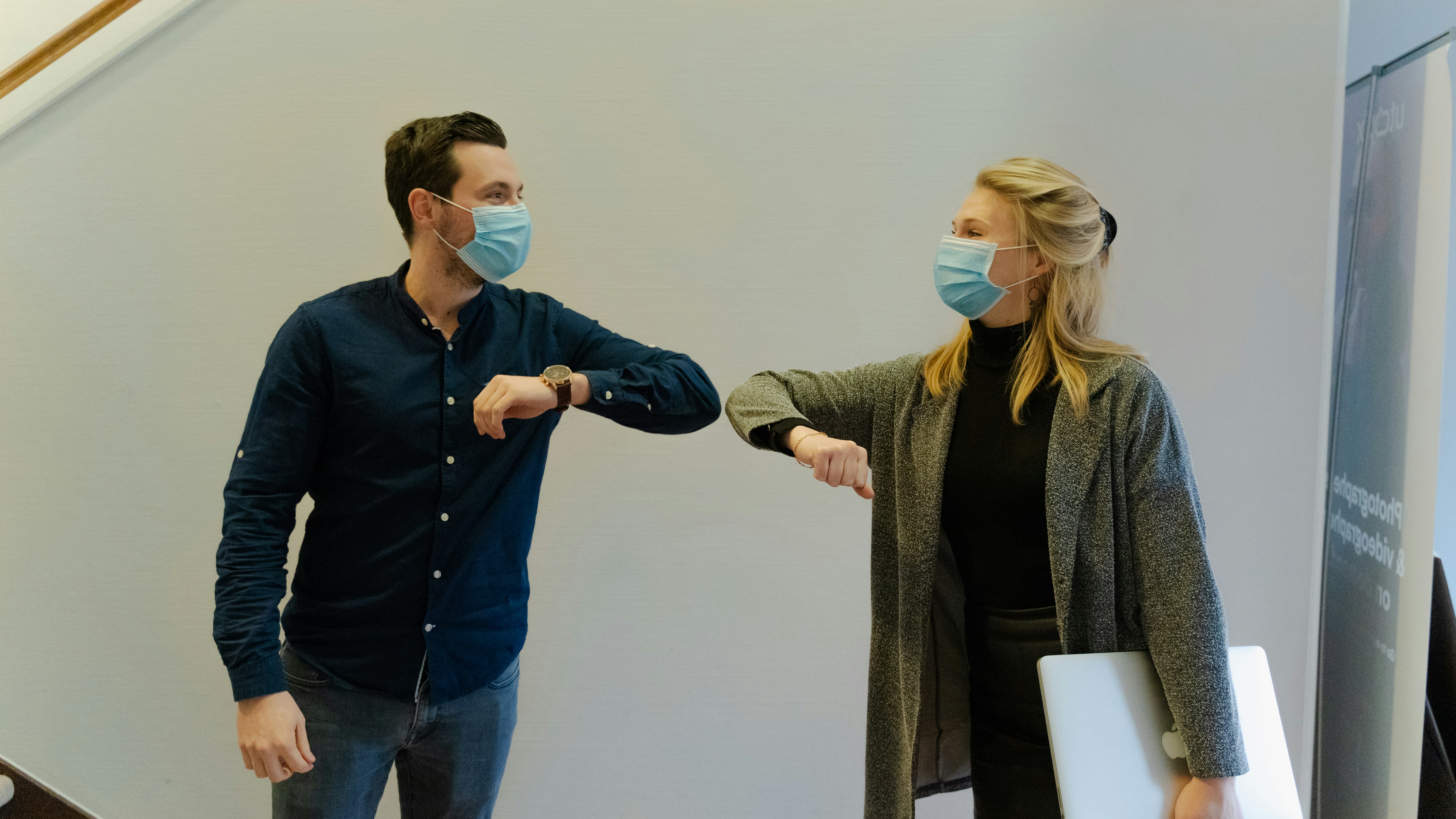
Doing everything you can to avoid becoming infected with the COVID-19 virus is the greatest method to protect yourself against the post-COVID-19 condition. This includes getting vaccinated and adhering to the many public health and social measures that can help you avoid becoming infected with the COVID-19 virus and transmitting it. The best method to defend yourself against COVID-19 is to take a combination of steps, or “do it all!” as WHO puts it. These steps include:
- Maintain a physical gap of at least 1 metre between yourself and others.
- Cover your nose and mouth with a well-fitting mask.
- Open your windows.
- In your elbow, cough or sneeze.
- Hands should be cleaned frequently.
- When it’s your turn, get vaccinated.
Is getting vaccinated against COVID-19 a good idea?
The investigation is still ongoing. The efficacy of a vaccination to prevent COVID-19-related complications is contingent on its capacity to prevent COVID-19 in the first place. COVID-19 vaccinations are currently in use to prevent serious sickness and death from the virus. However, even after being vaccinated, some persons may become infected with COVID-19.
If I have post COVID-19 condition, can I give it to others?
No, COVID-19 post-infection syndrome cannot be passed on to others. COVID-19 post-infection syndrome is a long-term disorder that develops after infection with the virus that causes COVID-19.
Back to Blog Home