Why Specialized Nurse Training Matters for Senior Patients
Advanced geriatric nursing education transforms care quality for elderly patients through specialized clinical training and evidence-based practices.
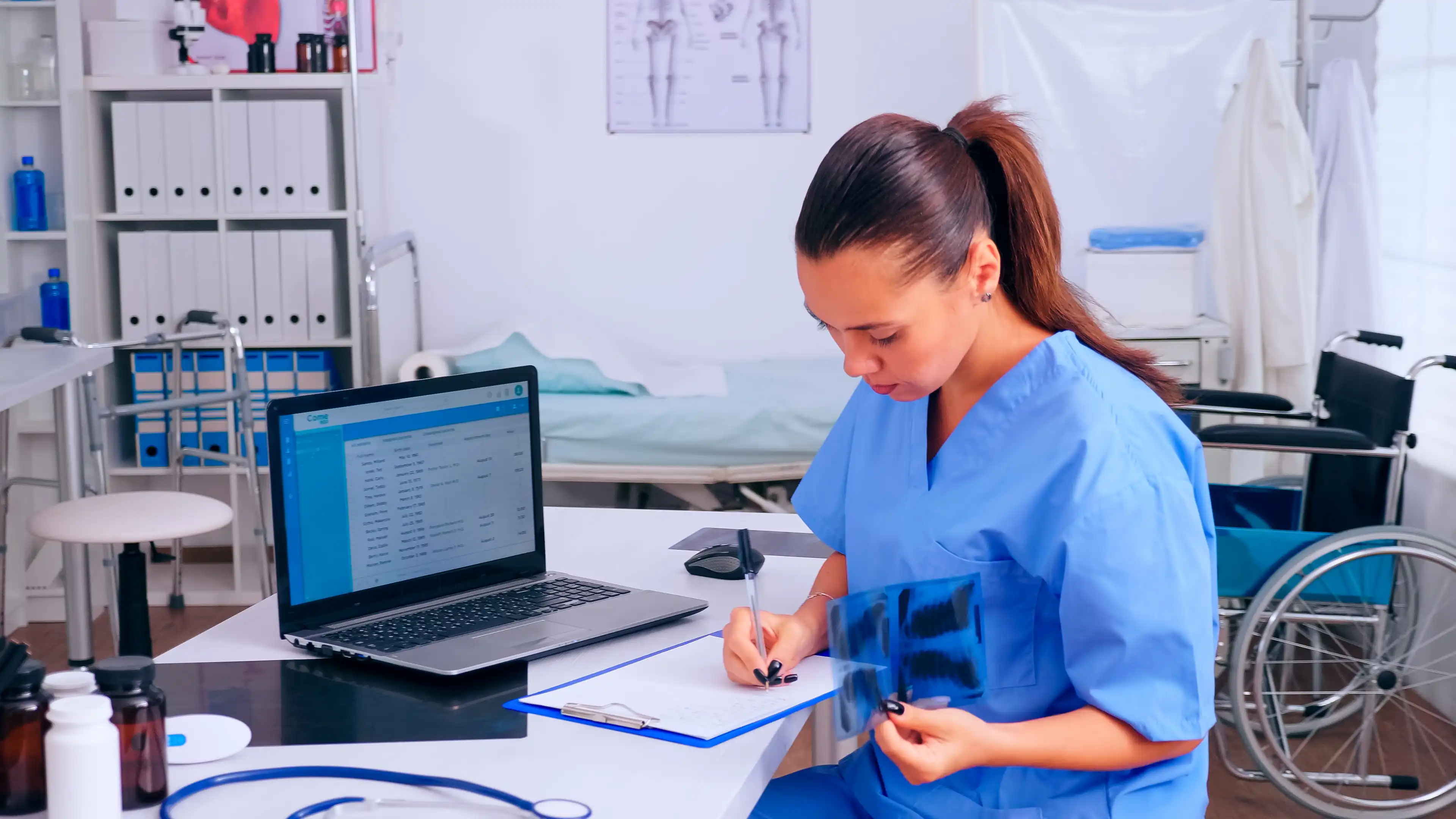
As global populations age, the demand for specialized geriatric nursing care has increased dramatically. Senior patients present unique healthcare challenges that require targeted training beyond standard nursing education. At Colombo North Health Academy, we recognize that specialized training isn't just an enhancement—it's essential for providing comprehensive, compassionate care to our elderly population.
This comprehensive guide explores why specialized nurse training is critical for senior patient care, highlighting the key areas where targeted education makes a significant difference in patient outcomes, safety, and quality of life.
Understanding Age-Related Physiological Changes
Senior patients experience complex physiological changes that significantly alter how their bodies respond to illness, medication, and treatment. Specialized training teaches nurses to recognize these age-related modifications and adjust care accordingly. Unlike younger patients, elderly individuals often present with atypical symptoms that can mask serious conditions.
For instance, infections in seniors may not manifest with fever as they would in younger patients. Instead, confusion or functional decline might be the primary indicators. Specialized geriatric training covers these subtle presentations, enabling nurses to detect problems earlier and intervene more effectively, potentially preventing hospitalizations and complications.
Key areas include changes in drug metabolism, reduced organ function, altered pain perception, and decreased physiological reserve—all critical factors in geriatric assessment.
Comprehensive Fall Prevention Strategies
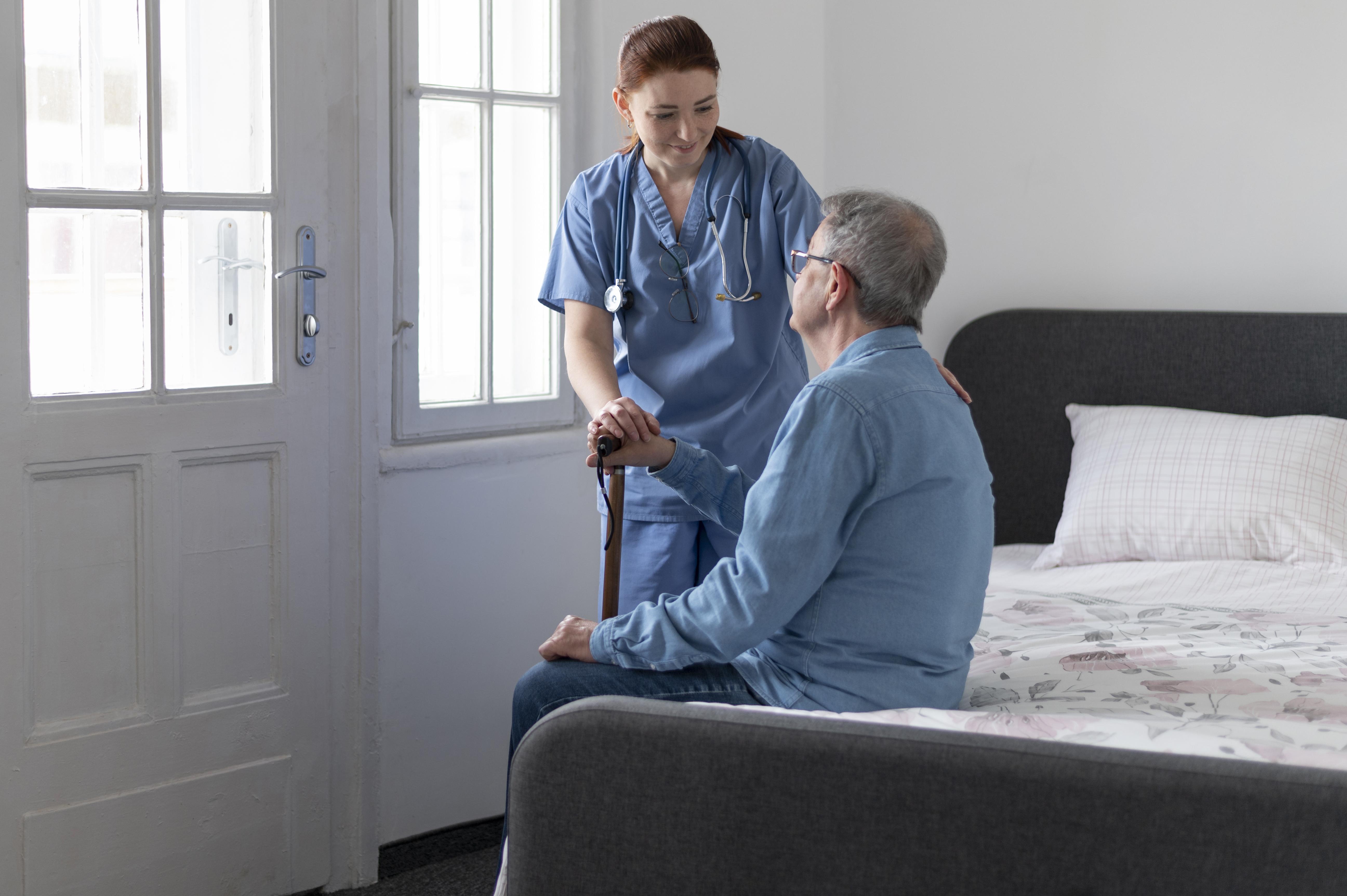
Falls represent one of the most serious risks for elderly patients, often leading to fractures, hospitalizations, and loss of independence. Specialized training equips nurses with comprehensive fall prevention strategies that go beyond basic safety measures. This includes environmental assessment techniques, proper transfer methods, and recognition of multifactorial risk factors unique to geriatric patients.
Nurses learn to identify subtle risk factors like medication side effects, vision changes, foot problems, and cognitive impairments that contribute to fall risk. They also master therapeutic communication techniques that encourage patient cooperation while maintaining safety, ensuring dignity is preserved during assistance procedures.
Specialized Approaches to Cognitive Health Management
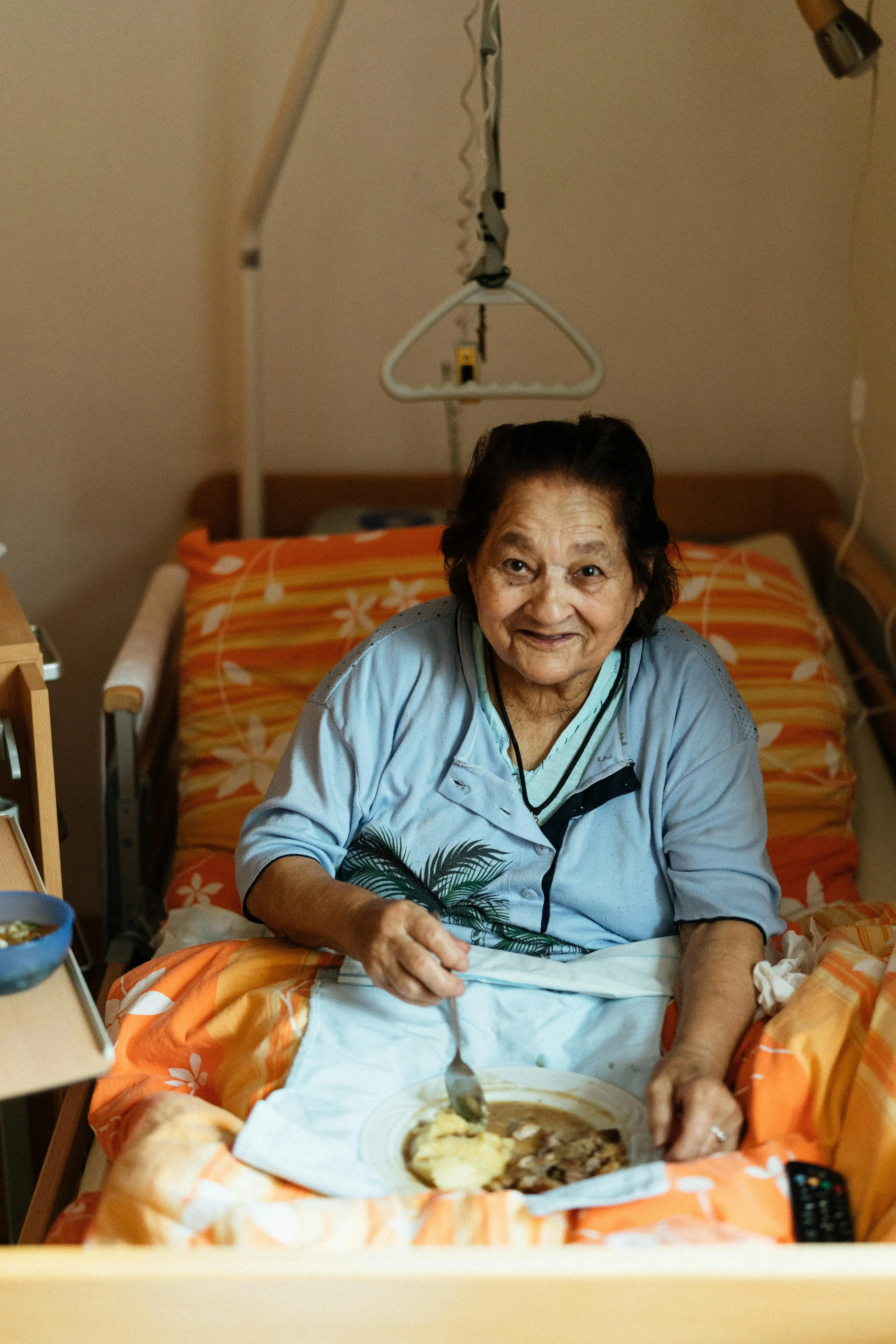
Cognitive conditions like dementia, Alzheimer's disease, and delirium require specialized nursing approaches that differ significantly from standard care protocols. Specialized training covers:
- Communication strategies for patients with cognitive impairments
- Behavioral management techniques for agitation and wandering
- Recognition of early signs of cognitive decline
- Implementation of memory care and validation therapy
- Management of sundowning syndrome and sleep disturbances
- Support for caregivers and family members
- Environmental modifications to reduce confusion
These specialized skills enable nurses to provide care that maintains patient dignity while managing challenging behaviors and ensuring safety.
Advanced Medication Management for Geriatric Patients
Elderly patients often have complex medication regimens involving multiple prescriptions, over-the-counter medications, and supplements. Specialized training covers polypharmacy management—a critical skill given that seniors typically take 5 or more medications daily. Nurses learn to recognize drug interactions specific to aging bodies and monitor for adverse effects that may present atypically.
Training includes pharmacokinetic principles as they apply to aging bodies, medication reconciliation processes, and patient education strategies for medication adherence. Nurses develop skills in identifying subtle signs of medication toxicity that might be missed without specialized geriatric knowledge, potentially preventing serious complications and hospital readmissions.
Palliative and End-of-Life Care Expertise
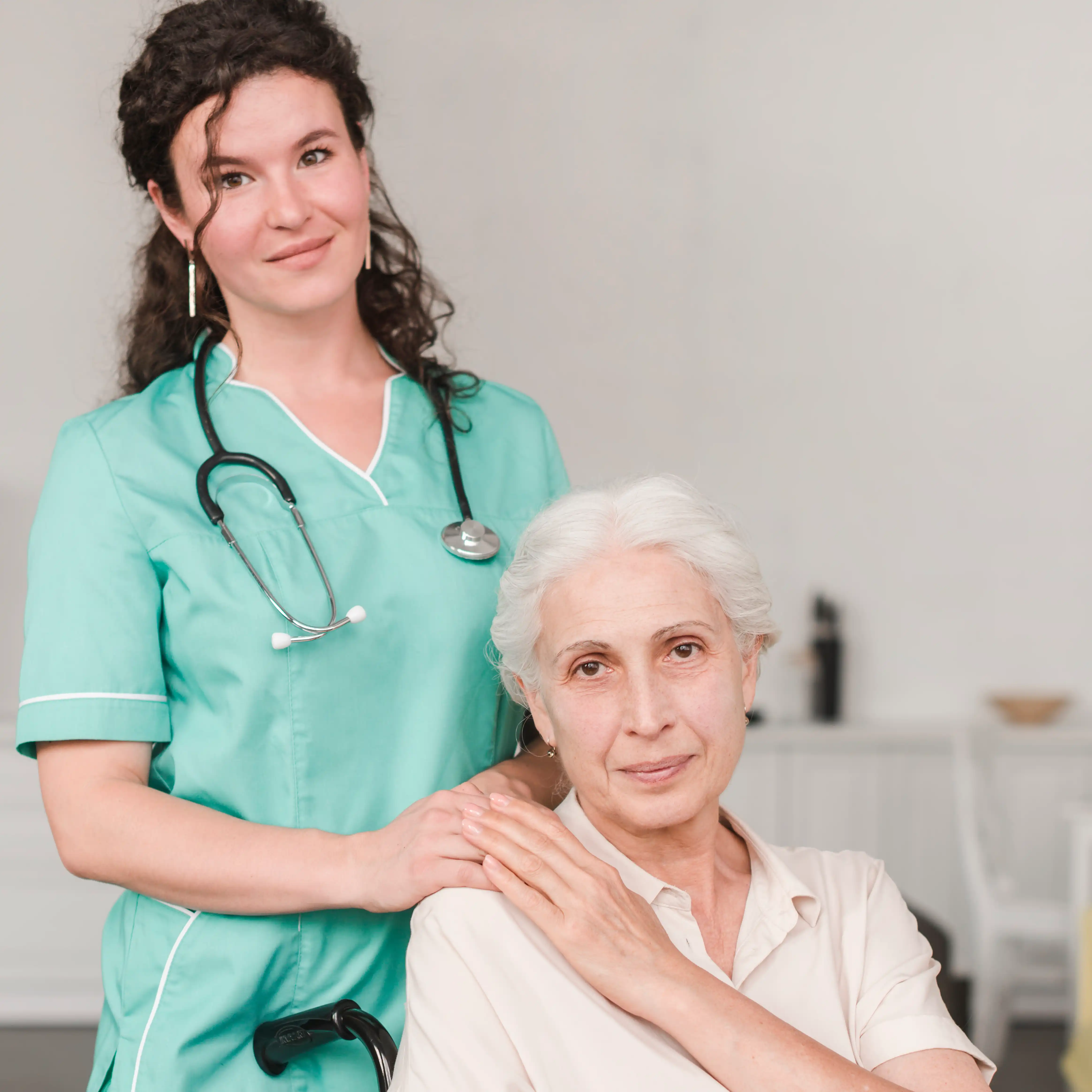
Specialized training prepares nurses for the sensitive aspects of palliative care and end-of-life transitions. This includes advanced pain assessment techniques, non-pharmacological interventions, and emotional support strategies tailored to elderly patients and their families. Nurses learn to manage complex symptoms while maintaining quality of life during terminal conditions.
This training emphasizes compassionate communication, advance care planning, and supporting patients through difficult decisions about treatment limitations and quality of life preferences.
Therapeutic Communication with Elderly Patients
Effective communication with elderly patients requires understanding age-related sensory changes, cognitive limitations, and emotional needs. Specialized training covers techniques for communicating with patients who have hearing or vision impairments, cognitive challenges, or language barriers.
Nurses learn to build therapeutic relationships, provide emotional support for patients dealing with loss and life transitions, and involve families effectively in care planning. This includes training in empathy, active listening, and culturally competent care for diverse senior populations.
Measurable Benefits of Specialized Training
Research consistently demonstrates significant improvements in patient outcomes when care is provided by specially trained geriatric nurses. Studies show:
- 40-50% reduction in fall rates among elderly patients
- 30-40% decrease in hospital readmissions within 30 days
- Improved pain management and symptom control
- Higher patient and family satisfaction scores
- Better medication adherence and reduced errors
- Earlier detection of complications and decline
These improvements translate to better quality of life for patients, reduced healthcare costs, and more efficient use of healthcare resources.
CNHA's Specialized Geriatric Nursing Program
At Colombo North Health Academy, our specialized geriatric nursing program combines theoretical knowledge with extensive clinical practice. The curriculum covers all aspects of elderly care, from basic physiological changes to complex ethical dilemmas. Our graduates are equipped to provide comprehensive, compassionate care that addresses the unique needs of senior patients.
Essential Skills Developed Through Specialized Training
Specialized geriatric nursing training develops critical competencies including:
- Comprehensive geriatric assessment skills
- Advanced wound care for fragile elderly skin
- Nutrition management for age-related changes
- Hydration monitoring and intervention
- Mobility preservation techniques
- Prevention and management of pressure injuries
- Recognition and treatment of geriatric syndromes
These skills enable nurses to provide holistic care that addresses the physical, emotional, and social needs of elderly patients.
The Future of Geriatric Nursing Education
As healthcare continues to evolve, specialized geriatric training becomes increasingly important. Future developments include telehealth applications for elderly care, advanced technology integration, and interdisciplinary team approaches. Continuous education and specialization will remain crucial for providing high-quality care to our growing elderly population.
Your Pathway to Specialized Geriatric Nursing
Specialized nurse training for senior patients represents more than additional education—it represents a commitment to excellence in elderly care. By developing targeted skills and knowledge, nurses can significantly improve outcomes, enhance safety, and provide the compassionate, competent care that senior patients deserve. As our population continues to age, this specialized training becomes not just beneficial, but essential for delivering high-quality healthcare.